The Training Most Coaches Skip
From the Field
The Training Most Coaches Skip
You can program the perfect strength block, nail your periodization, and still undermine everything with one oversight. Rest isn’t optional. It’s the job.
By Trace Pate · April 2026
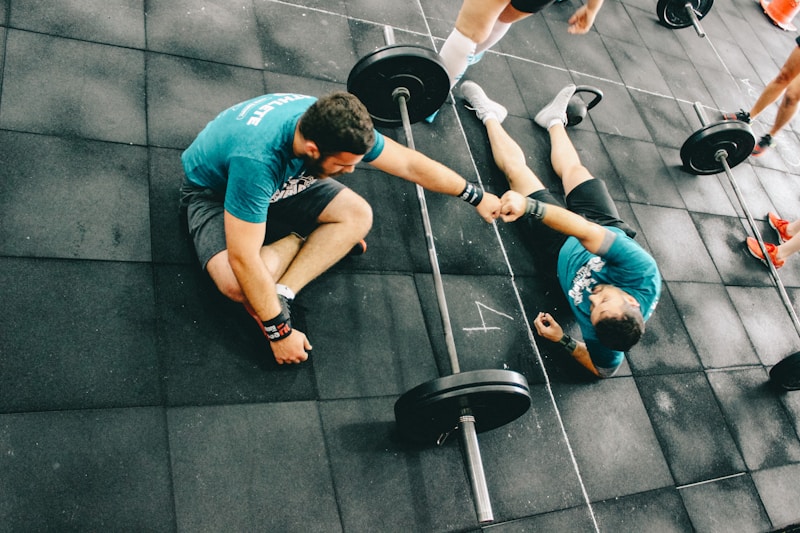
Thirty-plus years in strength and conditioning, and the conversation I keep having hasn’t changed. Coaches come to me with training programs that are technically sound — good exercise selection, appropriate loading, smart periodization. And then I look at what they’ve built in for recovery, and there’s almost nothing there. A rest day here. A deload every six weeks if things aren’t going well.
That’s not a training problem. That’s a philosophy problem.
The athletes I’ve worked with who made the most consistent progress over time — not the athletes who peaked early and burned out, but the ones who got better every season for years — were the ones whose programs treated recovery with the same seriousness as training. Every bit as planned. Every bit as non-negotiable.
Adaptation Doesn’t Happen in the Weight Room
This is the thing I want coaches to actually internalize, not just nod at: training is the stimulus. Recovery is where the adaptation happens. When your athlete squats heavy on Monday, the work of building stronger legs doesn’t occur Monday afternoon. It occurs Tuesday night, Wednesday morning — while they’re sleeping, while tissue is remodeling, while protein synthesis is running, while the nervous system is consolidating the motor pattern.
If you interrupt that process — with another heavy session too soon, with chronic sleep deprivation, with inadequate nutrition, with no intentional recovery work in the program — you don’t get the adaptation. You got the stress without the benefit. That’s not training. That’s just fatigue accumulation.
“You don’t get stronger in the gym. You get stronger while you sleep, eat, and recover. The gym is just where you earn the right to adapt.”
The Coaches Who Get This Right
The best strength coaches I’ve been around — the ones working with elite programs, the ones whose athletes stay healthy and keep improving — treat recovery like a training variable. They plan it. They periodize it. They adjust it based on data and on what they’re seeing with their own eyes.
They ask: what does this athlete’s recovery capacity actually look like right now? Not what should it look like based on the spreadsheet, but what do the data and the athlete actually tell me? HRV trending down for four days. Athlete moving slowly in warmup. Complaining of that persistent tightness in the posterior chain that doesn’t go away. That’s not an athlete who needs more volume. That’s an athlete who needs to recover.
Pulling back takes confidence. Looking at a program you designed and saying “not today” is hard. Coaches who are insecure about their programming tend to push through because backing off feels like admitting something is wrong. It’s not. It’s reading the situation correctly.
What Actually Drives Recovery
I’ve used a lot of recovery modalities over the years. Fascial Stretch Therapy, which I’ve practiced at the Level 4 certification for over a decade. Cold therapy. Compression. Foam rolling. All of it has a place in the toolkit.
But the thing that moves the needle more than any of those tools isn’t a tool at all. It’s sleep. Eight hours, consistent schedule, dark room, no phone for 30 minutes before bed. I cannot tell you how many athletes I’ve worked with who had a nutrition protocol, a supplementation stack, a foam rolling routine — and were sleeping six hours a night and wondering why they weren’t progressing. The answer was always the same.
The research backs this up decisively. A landmark study by Mah et al. at Stanford found that basketball players who extended their sleep to 10 hours per night improved sprint times, shooting accuracy, and reaction time significantly over a five-to-seven week period. No new training stimulus. No new supplements. Just sleep.

After sleep, it’s nutrition. Not the post-workout shake timing, not whether you’re taking casein before bed — though those things matter at the margins. Total daily intake. Enough protein, enough carbohydrate, enough calories to support the training you’re asking the body to do. Under-fueled athletes don’t recover.
The Modalities That Support It
Once sleep and nutrition are right, the modalities become meaningful. FST is the one I keep coming back to because it addresses the fascial system in ways nothing else does — the chronic restrictions that accumulate under heavy training loads, the compensation patterns that build up over a season, the tightness that doesn’t respond to static stretching because it’s fascial, not muscular. One well-executed FST session with a Level 4 practitioner can restore range of motion an athlete hasn’t had in months.
Cold therapy has its place, particularly in-season when you need athletes ready to compete again in 48 hours and long-term adaptation is secondary to short-term readiness. But coaches putting athletes in the cold plunge every day regardless of where they are in the training cycle are working against themselves. The same inflammation you’re blunting with cold immersion is part of the anabolic signal your program depends on. Use it selectively.
HRV monitoring changed how I program. Having a daily window into an athlete’s autonomic nervous system state — seeing the trend over a week, watching for the pre-illness drop, catching the athlete who’s carrying more stress than the training log suggests — that’s invaluable information. But it’s information for a conversation, not a verdict. The number points you toward the right question. The athlete answers it.
What I Tell Every Coach I Work With
Program your recovery with the same seriousness you program your training blocks. Put it in the plan, give it time, and treat it as non-negotiable. Your deload weeks aren’t a concession to weakness — they’re where the long-term gains are locked in. Your rest days aren’t wasted days — they’re the days the training you did actually does its work.
The coaches I’ve seen burn athletes out over a career were never the ones who programmed too little intensity. They were the ones who never backed off. They confused working hard with working smart, and eventually the athletes paid for it with their bodies and their longevity in sport.
Your job isn’t to push. Your job is to produce adaptation. Sometimes those are the same thing. Often, at the most important moments, they’re not.
About the Author
Trace Pate is a strength and conditioning coach with over 30 years of experience at the high school, collegiate, and professional levels. He is a Level 4 FST practitioner — the highest certification in the Fascial Stretch Therapy system — and the founder of StrengthandConditioning.com.